The system for distributing European budget funds in Germany is marked by a clear geographic asymmetry that for decades has favored the eastern states. This phenomenon persists despite the fact that the notion of "poor East Germany" is in many respects simply no longer accurate – especially when set against the declining industrial centers in the west, such as Gelsenkirchen, Duisburg or Hagen. The structure of EU funding, however, remains unchanged. According to economic data, the eastern states, which occupy a much smaller portion of the country's territory, absorb as much as two-thirds of the total EU funds allocated to the German state. This situation results directly from the EU's cohesion principle, which requires support to be directed to regions where per capita income does not exceed 75% of the Community average. The total amount of support from Brussels for the whole of Germany exceeds 12 billion euros, which – set against an annual federal budget on the order of 500 billion euros – is a significant item, though not decisive for the condition of the entire state.
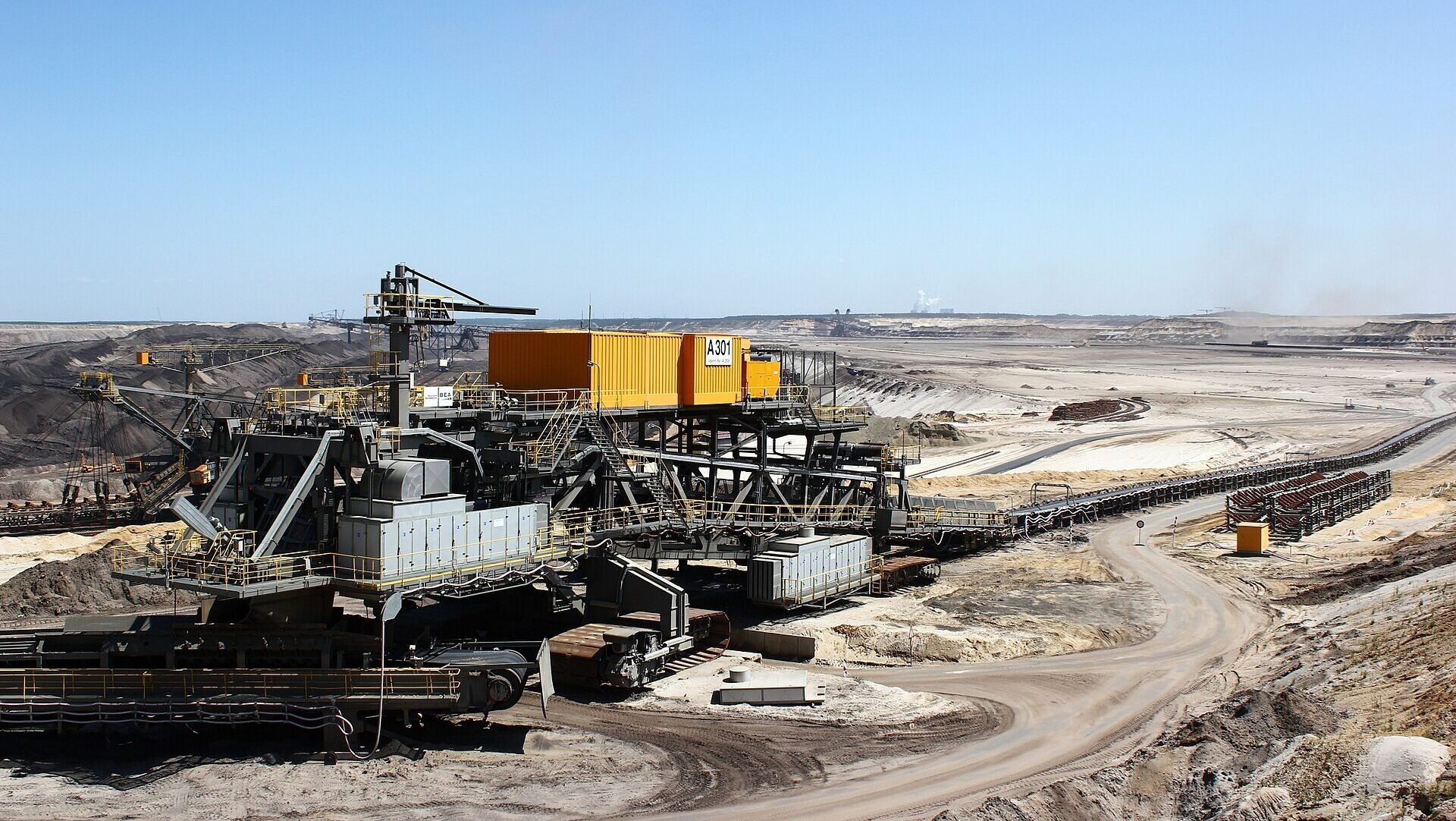
It must be acknowledged that the eastern states demonstrate very high efficiency in directing EU funds into projects of a strategic and modernizing character. An excellent example here is investment in scientific infrastructure, the flagship illustration of which remains the university at Freiberg, which specializes in modern mining. It is there, thanks to EU support amounting to 55 million euros, that laboratories were created to work on innovative extraction technologies of the coming century. The eastern model of spending places enormous emphasis on synergy between science and business, which is reflected in the implementation of around 4,000 projects linking local universities with enterprises. Another extremely important direction of development financed from EU funds is the green hydrogen sector, which is to become the foundation of the new energy economy of this region.
Tensions arise, however, around direct funding of the private sector and structural spending by local governments. Across Germany, the European Union has supported 41,000 projects related to enterprises, of which as much as 72% constituted support of a structural nature. Such a financing model has long raised concerns of a legal and economic nature, especially in the context of the limits of permissible public aid and the risk of creating mechanisms conducive to corruption. Criticism of this system intensifies when we take into account the deteriorating situation of cities in the western part of the country. These former powerhouses struggle with the problems of aging infrastructure and severe economic stagnation, while having no chance of receiving a comparable scale of "drip-feed from Brussels".
The upcoming new stage of EU budget planning for 2028–2034 puts a major question mark over the future of this model. In Germany, a lively debate is already underway as to whether continuing to favor the east at the expense of the declining west still has any economic justification. EU funds did indeed play a key role in the modernization of the eastern states, but the growing disparity is today becoming a serious flashpoint for disputes over the structural fairness of the state.