The government of Chancellor Friedrich Merz is trying to rescue the country's financial situation through drastic cuts. Unfortunately, they are striking where citizens feel them most. As Aleksandra Fedorska observes, for decades Germans were accustomed to the highest, world-class standards, especially when it came to medical care. Today, the situation has changed dramatically.
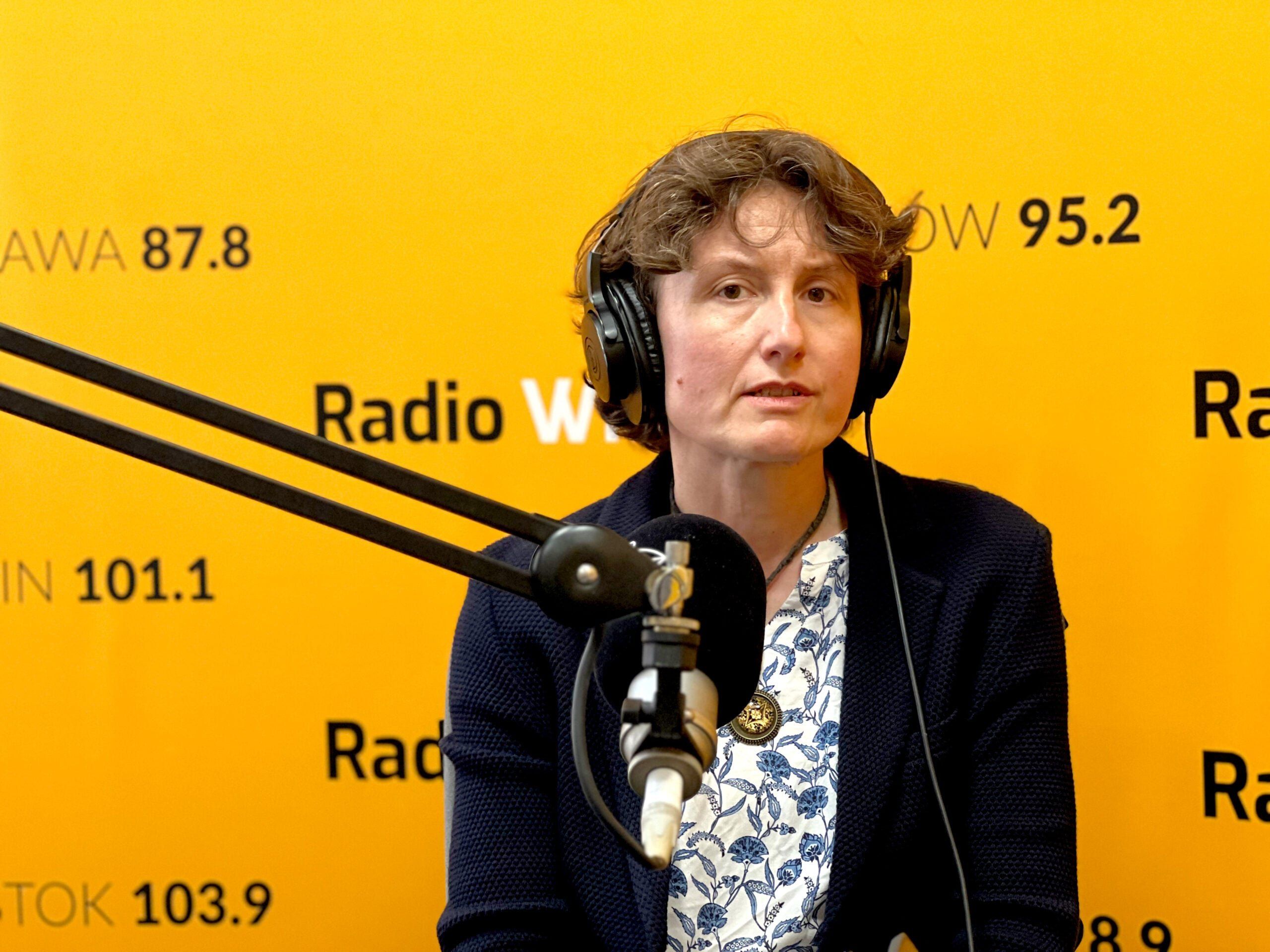
"To get an appointment with a specialist in Germany, you now have to wait a year. In some cases, even longer. For Germans, this is a shock. (…) They are now colliding with a total collapse of the system," the expert emphasizes on Radio Wnet.
Fedorska adds that the social consequences of these reforms will certainly "take a heavy toll" on the current government. The core of German society consists of older people, who most need a properly functioning system of medical care. Instead, they are watching rising unemployment and a collapsing industrial base.
A consequence of the mounting internal problems is a phenomenon Germans have not faced in a very long time — mass emigration. The country, which for years was a "land of wonders" for economic migrants, is itself beginning to lose its own citizens.
What is changing, however, is not only the direction but also the profile of the emigrant. While those moving to Poland are mainly seniors or people of Polish origin, other destinations are being chosen by an entirely different social group.
"Toward Switzerland, the United States, Australia and Scandinavia, it is well-educated young Germans who are leaving, people who simply do not see opportunities for development in their own country. We are talking about hundreds of thousands," warns the editor-in-chief of Radio Debata. "This is an absolute novelty for this society. (…) It fundamentally changes the image of Germany in Germans' own eyes."
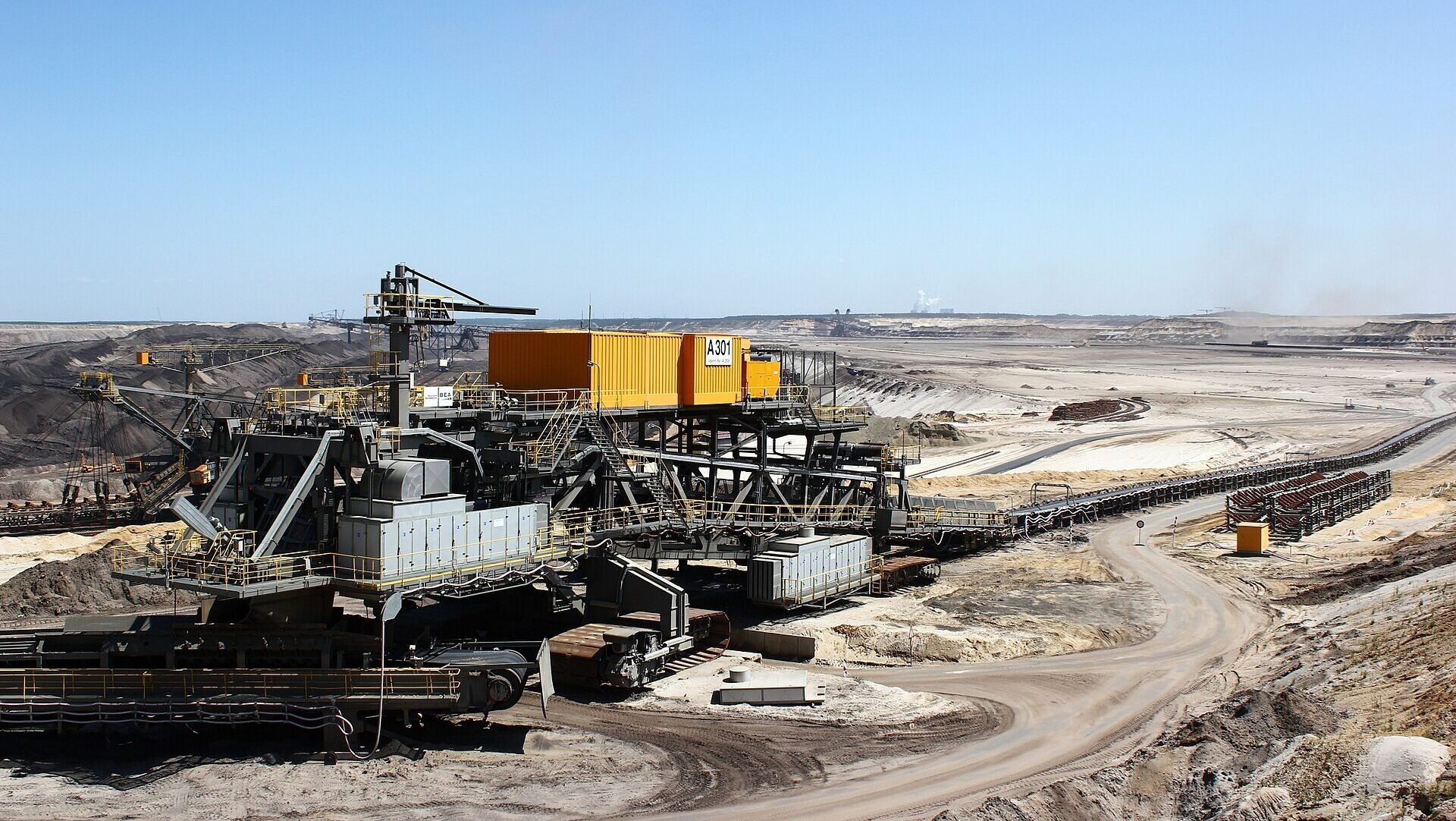
The economic problems are to a large extent the result of misguided strategic decisions. According to Aleksandra Fedorska, German energy policy represents "more than 20 years on an absolutely wrong path." The expert points to the need to scale back the share of renewable energy sources (RES), which generate enormous costs tied to the need to balance the system when "the sun isn't shining and the wind isn't blowing." The solution, in her view, could be a return to nuclear power, especially since not all of the facilities have yet been completely dismantled.
Instead of rational cuts, Germany has decided to take on gigantic debt amounting to one trillion euros for armaments, the energy transition and digitalization.
"This is illusory. If we pump such enormous sums into the entire system, then the growth of the German economy would have to be at the level of 2–3 percent, and it is minimal, close to zero. There really are very serious problems there," the expert assesses.
Against the backdrop of internal problems, a contest is also playing out for multi-billion-euro arms contracts. Poland is investing massive resources (around 44 billion euros) in the "Eastern Shield" air defense system (as part of the European Sky Shield Initiative, ESSI). How do Germans view this spending?
Fedorska notes that the German defense industry is counting on profits from these orders, but for Berlin, other matters are more important. "What is more important is to unify weapons systems and exclude other suppliers as far as possible," she explains. From the perspective of Germany, which has itself taken on half a trillion euros in debt to rebuild its army, Polish funds are not a decisive factor.
There is also a geopolitical thread, which the expert describes as a "tragicomedy." It concerns an alleged proposal by Vladimir Putin that the role of peace negotiator should be taken on by the former Chancellor of Germany, Gerhard Schröder.
"Gerhard Schröder quite recently was unable to testify before a parliamentary inquiry committee because he had suffered a mental and cognitive breakdown. It was said that he has serious problems with concentration and memory. If this is supposed to be a mediator in such important matters, I have serious reservations," concludes Aleksandra Fedorska, adding that the German government itself considers the proposal entirely implausible.