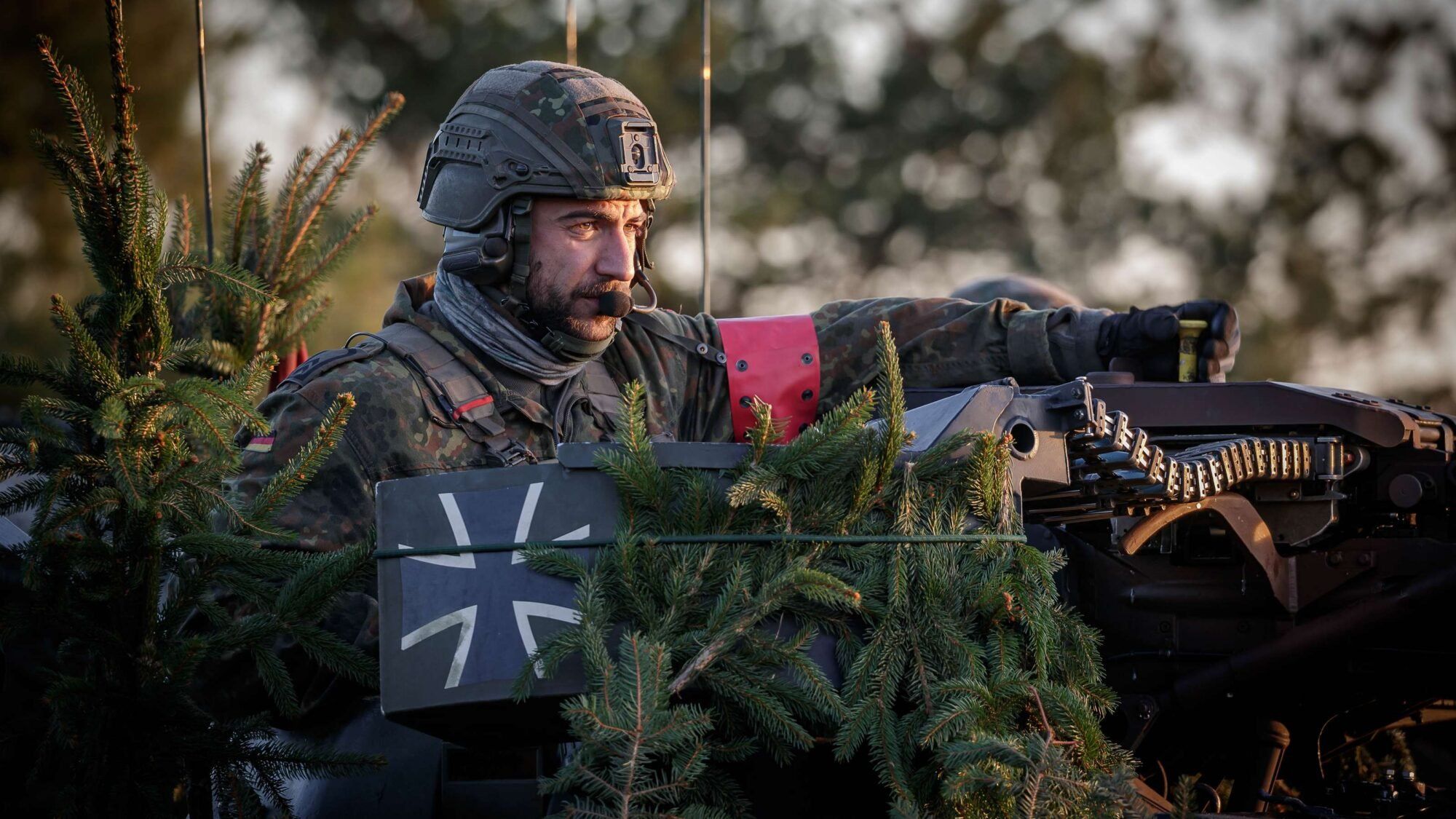
Germany's contemporary defence policy is undergoing a significant and controversial transformation in 2026, focusing on building personnel capacity from the earliest stages of education. A central element of these efforts has become the organisation of free summer camps under the auspices of the Bundeswehr, such as "Heli Guardians" or "Edelweiß Camp", which are intended to warm the army's image among the youngest. The scale of these undertakings is growing systematically – in 2023 slightly more than fifty such initiatives were recorded, whereas in 2025 their number rose to eighty-six, with a forecast of further growth. Concern is raised by the fact that these programmes cover children as young as six years old, which evokes difficult associations with the ideological indoctrination of young people. The naming of the camps, alluding to military terminology, is interpreted as an attempt to circumvent social sensitivities while showcasing the appeal of military equipment.
The activities in schools are closely correlated with a new system for verifying recruitment potential, which has covered the entire 2008 cohort. The German state sent the young men from this cohort nearly 194,000 official letters with an obligation to declare their readiness to take up voluntary military service. By the end of April 2026, around 72% of the addressees had responded to the summons, while the rest must reckon with financial penalties ranging from 250 to as much as 1,000 euros. An analysis of the declarations indicates that around 36% of respondents (just under 50,000 people) expressed an initial interest in service. Although the government considers these figures high, experts remain reserved. Ticking a box on the questionnaire is, after all, only a preliminary stage of the process, and the real verification will take place at recruitment centres.
The institutional approach to acquiring recruits is bound up with the need to break the pacifist paradigm that dominated German society for decades. This strategy relies on the use of "soft resources", such as free holiday trips, intended to neutralise historical prejudices towards militarism. These activities, widely reported by media such as "Der Spiegel", are being closely observed by neighbouring countries, including Poland. This stems from Germany's historical responsibility and from concerns about the moral context of recruitment conducted among primary-school pupils. The transformation of the army into a structure that actively seeks personnel by means of social engineering is a turning point in German policy. The effectiveness of this model will be verified by the actual unit-staffing rates, although it is already generating enormous tensions. The intensification of the Bundeswehr's youth programmes provokes loud questions about the boundary between recruitment and a return to ideological formations.