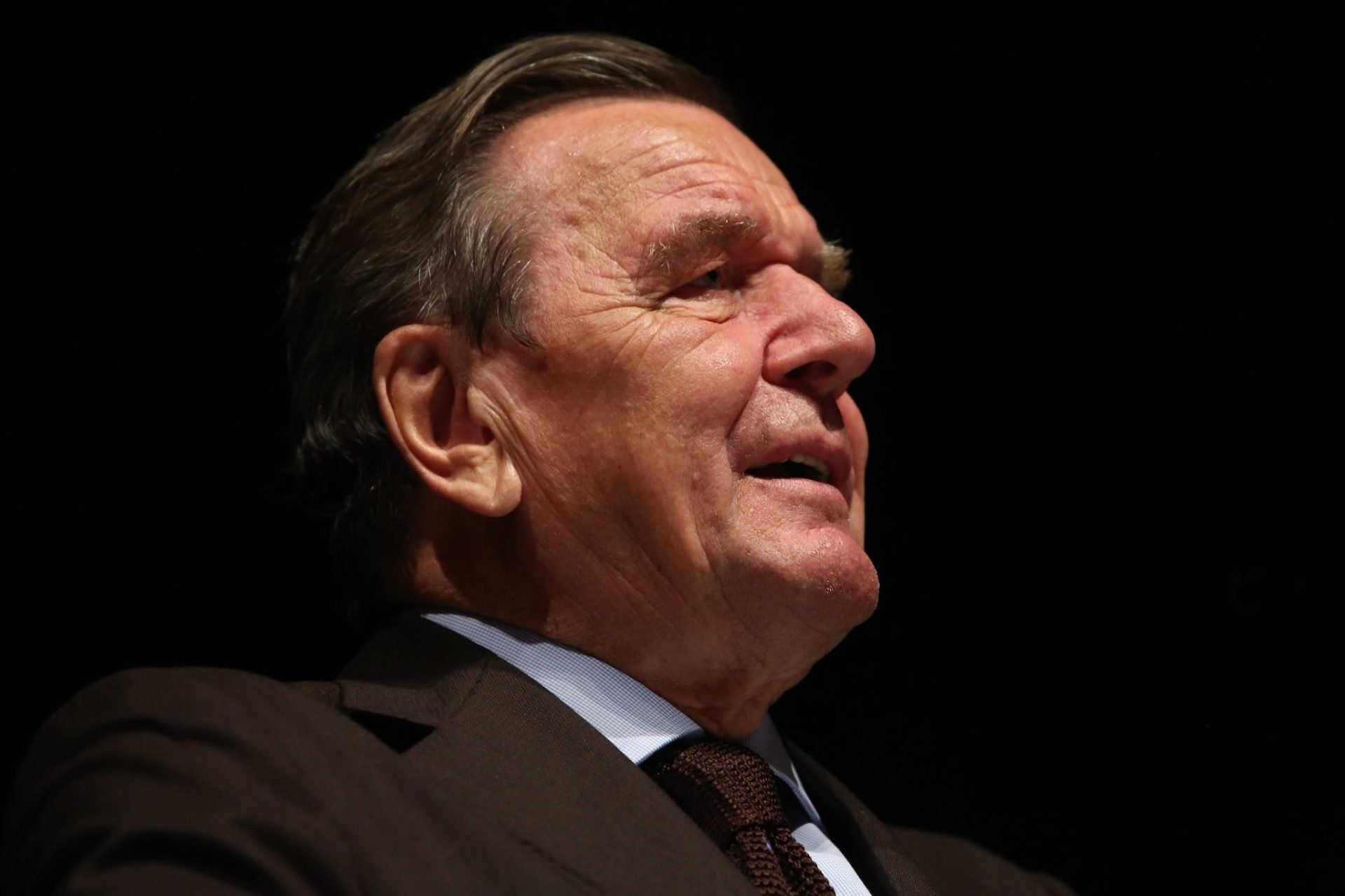
The proposal of Vladimir Putin, pointing to the former Chancellor of Germany Gerhard Schröder as a potential mediator in relations between the European Union and Russia, constitutes a starting point for an analysis of Berlin's historical ties with the Kremlin. The figure of Schröder, described as the "grandfather of German-Russian politics", returns at a moment when Russia is declaring its readiness for talks. This choice is not accidental, given his many years of intimacy with the Russian president, encompassing common energy interests, such as the construction of Nord Stream.
The reaction of the current federal government to this diplomatic offensive is assessed as defensive and evasive. Official communications describing Putin's proposal as "feigned" sidestep the essence of the problem, which is the complete political compromise of the former chancellor in the eyes of allies. The German administration seems to be hedging, avoiding direct confrontation with the fact of his many years of work for Russian corporations, which is interpreted as a manifestation of weakness.
At the same time, an unprecedented turn in the coverage of the situation in Ukraine is being observed in the German media space. Publications in titles such as "Handelsblatt" or "Focus" are ever more boldly taking up the subject of systemic corruption in Kyiv. These analyses report on the intimidation of anti-corruption investigators by the special services, which is regarded as a signal that the German establishment is preparing the ground for a revision of the previous policy toward the Zelensky administration.
At the heart of this phenomenon lies the growing disappointment of German companies, whose hopes for participation in the reconstruction of Ukraine have collided with an opaque oligarchic system. In Berlin, the conviction dominates that Germany has become principally a net payer financing the war, while the real benefits are reaped by a narrow circle around the president. This feeling of being exploited is becoming a catalyst for a new, pragmatic strategy of Berlin, which places national interests above declarations of solidarity.